


Quick answer:
Selling your home in 2026 isn’t about guessing or “testing the market.” It’s about strategy. Buyers are more selective, pricing errors get noticed quickly, and homes that sell well are the ones priced accurately, prepared thoughtfully, and marketed correctly from day one.
TL;DR — What Sellers Need to Know for 2026
-
Overpricing is the fastest way to lose buyer interest
-
The first two weeks on market matter more than ever
-
Buyers expect homes to feel move-in ready or fairly adjusted in price
-
Online estimates are a starting point, not a pricing strategy
-
Preparation and presentation still drive strong results

The Reality of the 2026 Housing Market
If you’ve been reading headlines, you’ve probably seen mixed messages. Some say the market is slowing. Others say prices are holding steady.
Both can be true.
By 2026, the housing market is less emotional and more analytical. Buyers are paying attention to value, condition, and pricing history. Homes don’t sell just because they’re listed — they sell because they make sense.
This isn’t a bad market.
It’s a strategy-driven market.
What Has Changed for Home Sellers Going Into 2026?
The biggest shift is buyer behavior.
Today’s buyers:
-
Take more time before making decisions
-
Compare homes carefully
-
Are comfortable walking away if something feels off
-
Pay close attention to days on market and price changes
What used to work a few years ago — pricing high and negotiating later — is far less effective now.
Once a home sits too long, buyers start asking questions. And those questions often turn into lower offers.
How Should You Price Your Home in a 2026 Market?
Short answer: Price to attract interest, not to “leave room.”
Correct pricing is the foundation of a successful sale.
Effective pricing in 2026 means:
-
Staying close to current market value
-
Using recent, local comparable sales
-
Accounting for condition and updates
-
Understanding how buyers search within price ranges
Overpricing doesn’t give you leverage — it usually reduces it.
Homes priced accurately tend to:
-
Get more showings early
-
Create stronger buyer confidence
-
Receive better offers overall
How Important Is Home Preparation in 2026?
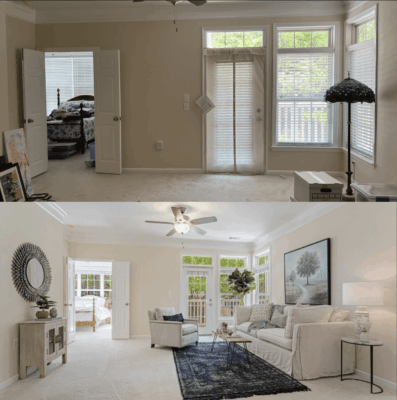

Very.
Buyers don’t expect perfection, but they do expect clarity. They want to walk through a home and understand how it lives, without feeling overwhelmed by repairs or unfinished projects.
High-impact preparation steps include:
-
Fresh, neutral paint where needed
-
Thorough professional cleaning
-
Decluttering to show space and storage
-
Addressing small repairs that raise concerns
Homes that feel easy to move into consistently perform better than homes that feel like work.
Is Staging Still Worth It?
Yes — and it doesn’t have to be elaborate.
Staging in 2026 is less about design trends and more about function and flow. It helps buyers:
-
Understand room size
-
See how spaces connect
-
Picture everyday use
Even light staging or strategic furniture placement can make a noticeable difference in how long a home stays on the market.
What Marketing Actually Works in 2026?
Listing a home is no longer enough on its own.
Strong marketing today includes:
-
Professional photography
-
Clear, accurate listing descriptions
-
Strategic timing when the home goes live
-
Wide online exposure where buyers actively search
-
Thoughtful presentation that highlights the home’s strengths
Homes that launch well tend to perform well. First impressions still matter — especially online.
Is There a “Best Time” to Sell in 2026?
There isn’t a single best month for everyone.
What matters more than the calendar:
-
Local inventory levels
-
Buyer activity in your price range
-
Competition from similar homes
-
Your personal timeline and goals
In some cases, listing when there’s less competition — even outside peak seasons — can work in your favor.
What Should Sellers Expect During Negotiations?
Negotiations in 2026 are more detailed and data-driven.
Buyers may:
-
Ask for inspection-related credits
-
Request clarity on repairs or updates
-
Take time before responding
Strong sellers are prepared for this. They:
-
Price realistically from the start
-
Address known issues early
-
Stay flexible while protecting their bottom line
The best negotiations usually start before the home ever hits the market — with smart pricing and preparation.
Quick Checklist for Selling Successfully in 2026
-
Price based on current market data
-
Prepare the home to reduce buyer concerns
-
Launch with strong presentation and marketing
-
Monitor early activity closely
-
Adjust strategically if needed
Common Questions Sellers Are Asking
Will home prices drop in 2026?
Most forecasts point toward stabilization rather than major declines. Well-priced homes in good condition continue to sell, while overpriced homes may require adjustments.
Is it harder to sell a house now?
It’s harder to sell without a plan. Homes with a clear strategy still move — often smoothly.
Should I wait to sell?
Waiting doesn’t always improve outcomes. Market conditions, competition, and personal timing matter more than trying to predict the “perfect” moment.
Do buyers still negotiate?
Yes, especially around inspections. Clear pricing and preparation reduce the impact of negotiations.
Final Thought for Sellers
Here’s the honest takeaway:
Selling in 2026 is about being informed, prepared, and realistic.
Homes that are priced correctly, presented well, and marketed intentionally still sell — and sell well. The key is understanding that today’s buyers are thoughtful, informed, and paying attention.
A smart plan from the start can make the entire process smoother, faster, and far less stressful.
Last updated: February 2026